Navigating Somerville: A Personal Story About Growth, Zoning, and the Evolution of Flow
A first-person reflection on how mansard roofs, Somerville's zoning code, and a single project on Albion Street shaped Flow's early identity — and pushed the studio toward becoming a full-service architecture practice.

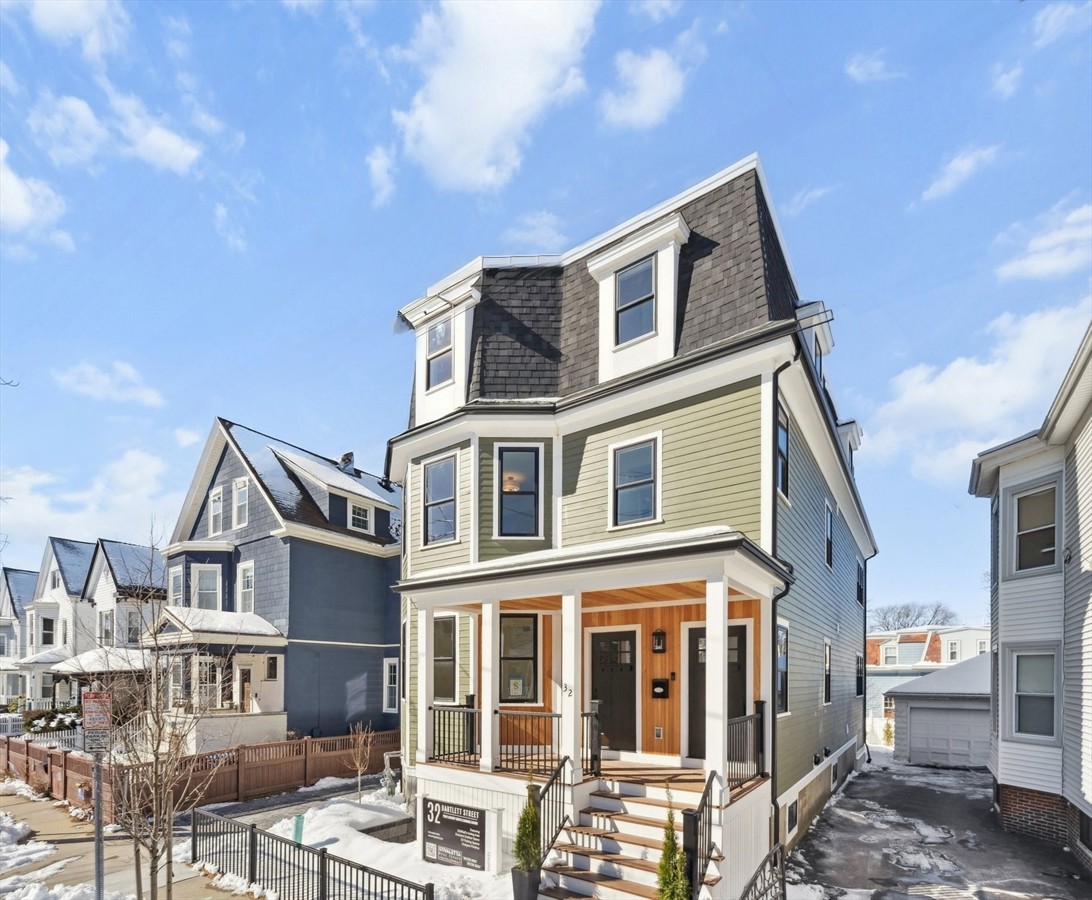
The Mansard Roof
The mansard roof, originally popularized in France during the 17th century by architect François Mansart, became a defining feature of Second Empire architecture. Its steep, double-pitched design maximizes usable attic space while adding a distinctive silhouette to buildings. In the United States, mansard roofs gained popularity in the 19th century, particularly in cities like Somerville, Massachusetts, where they were embraced during the post-Civil War building boom.
Why It Became Relevant
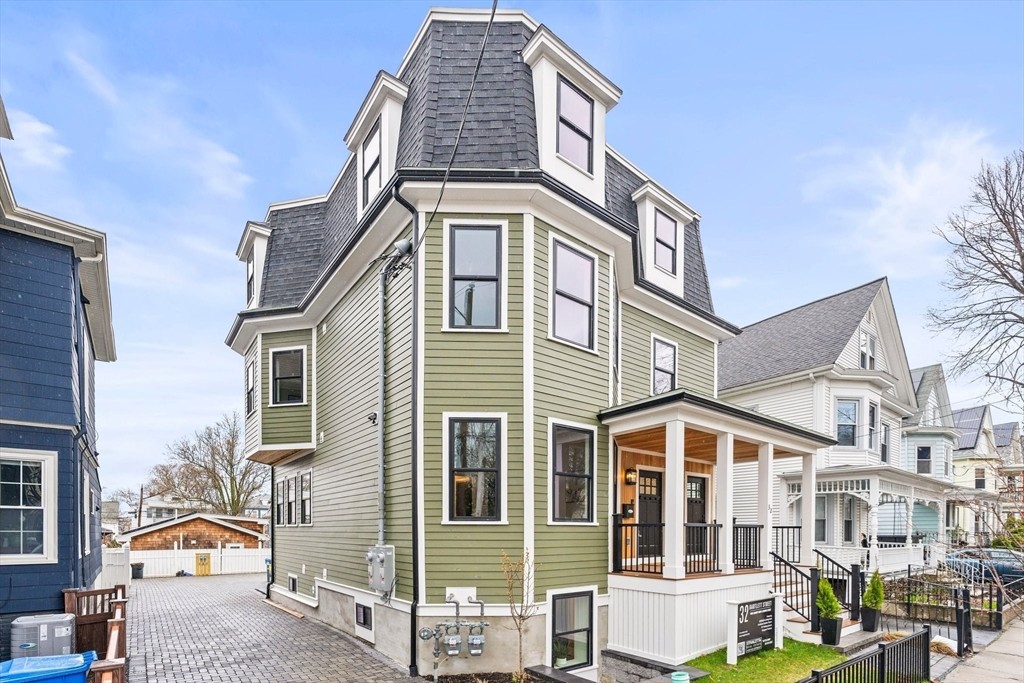
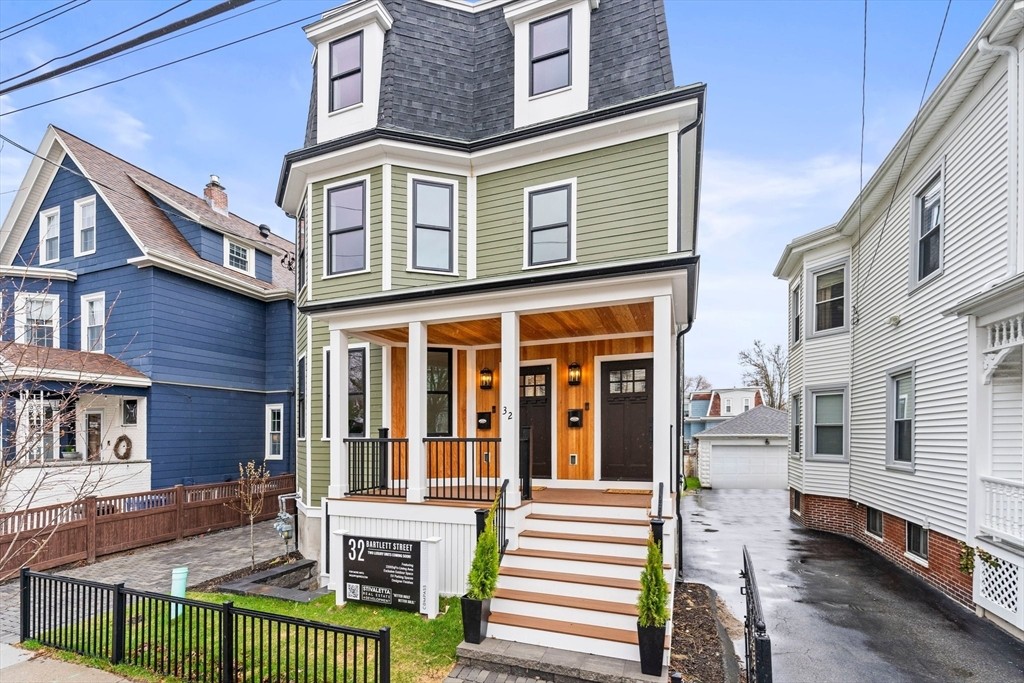
When we started Flow, one of our first design explorations involved the mansard roof. We were fascinated by how such a specific architectural element could carry so much cultural and regulatory weight. In Somerville, mansard roofs aren't just an aesthetic choice — they're deeply tied to the city's zoning code and its interpretation of what constitutes a "story" in a building.

The Somerville Zoning Ordinance defines building height not only in feet but also in the number of stories. A mansard roof, depending on how it's designed, can either count as an additional story or not — which has significant implications for how much habitable space you can create on a lot. This nuance became a critical design tool for us.
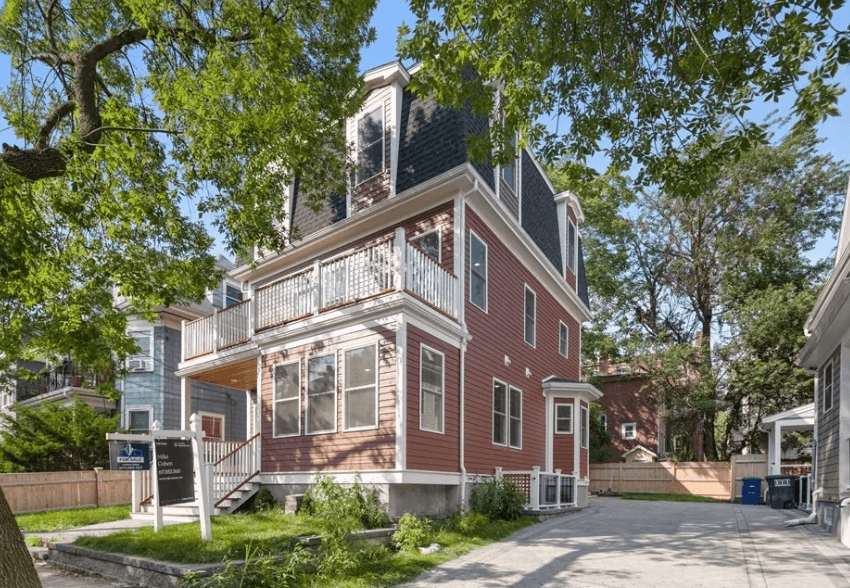
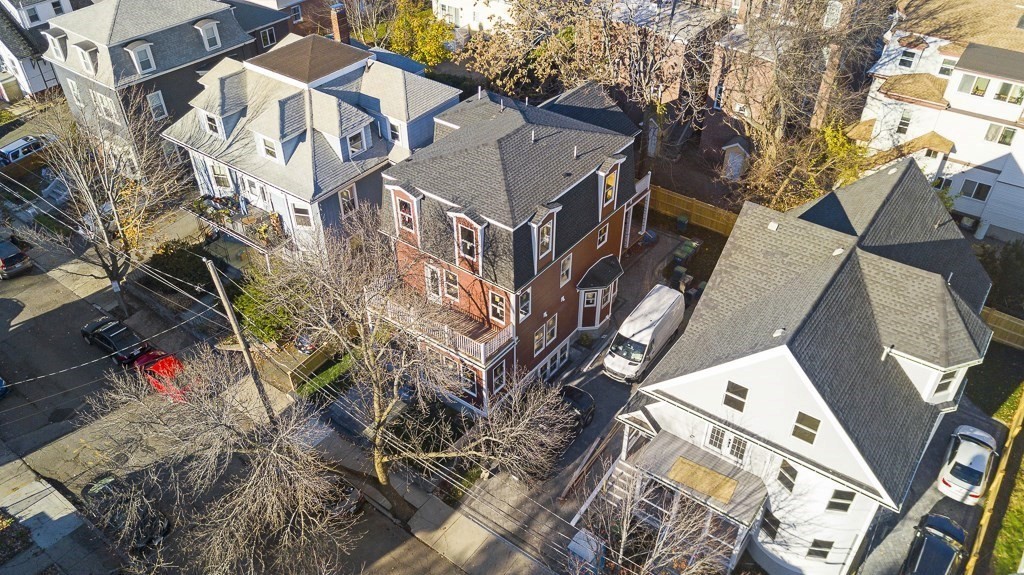
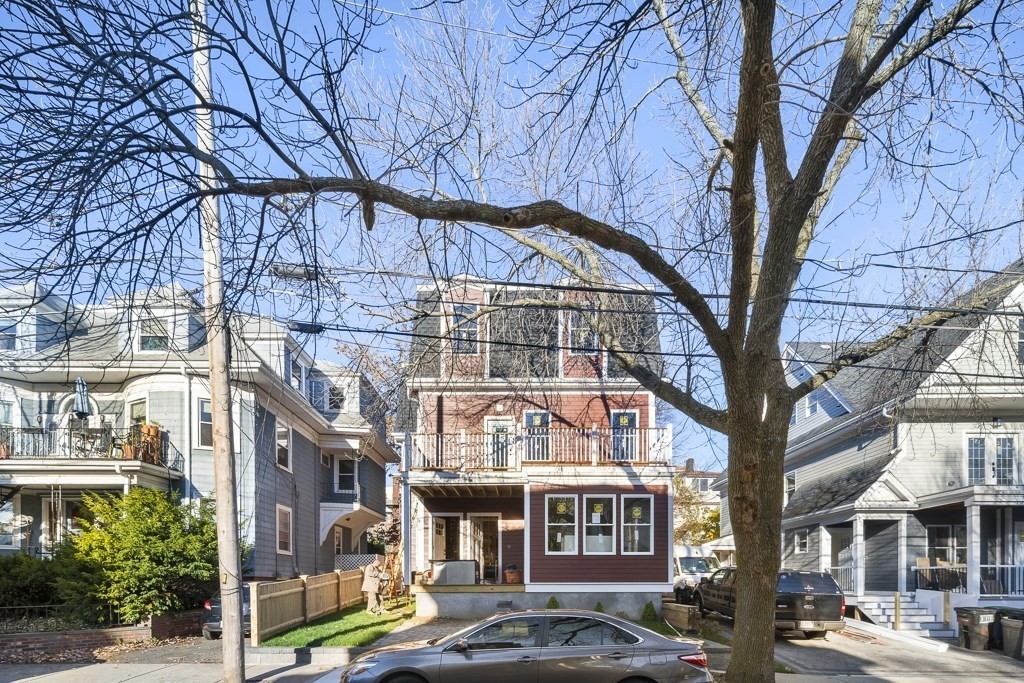
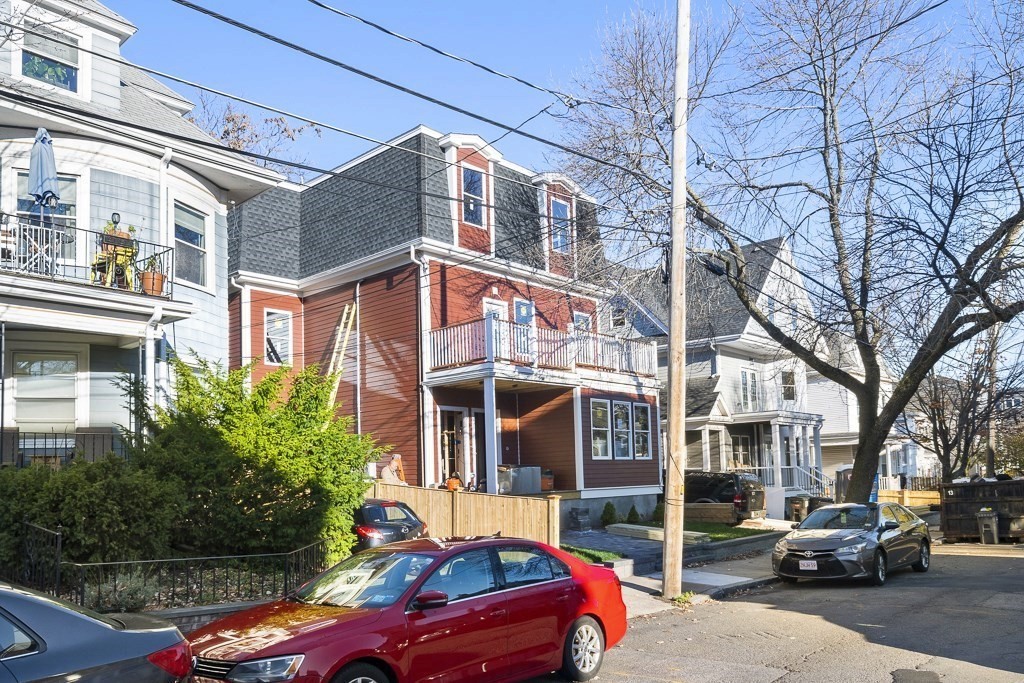
167 Albion
Our project at 167 Albion Street became a case study in how to navigate these zoning intricacies while honoring the neighborhood's architectural heritage. By carefully designing the mansard roof, we were able to add usable space to the home without exceeding zoning limits — and without disrupting the visual language of the street.
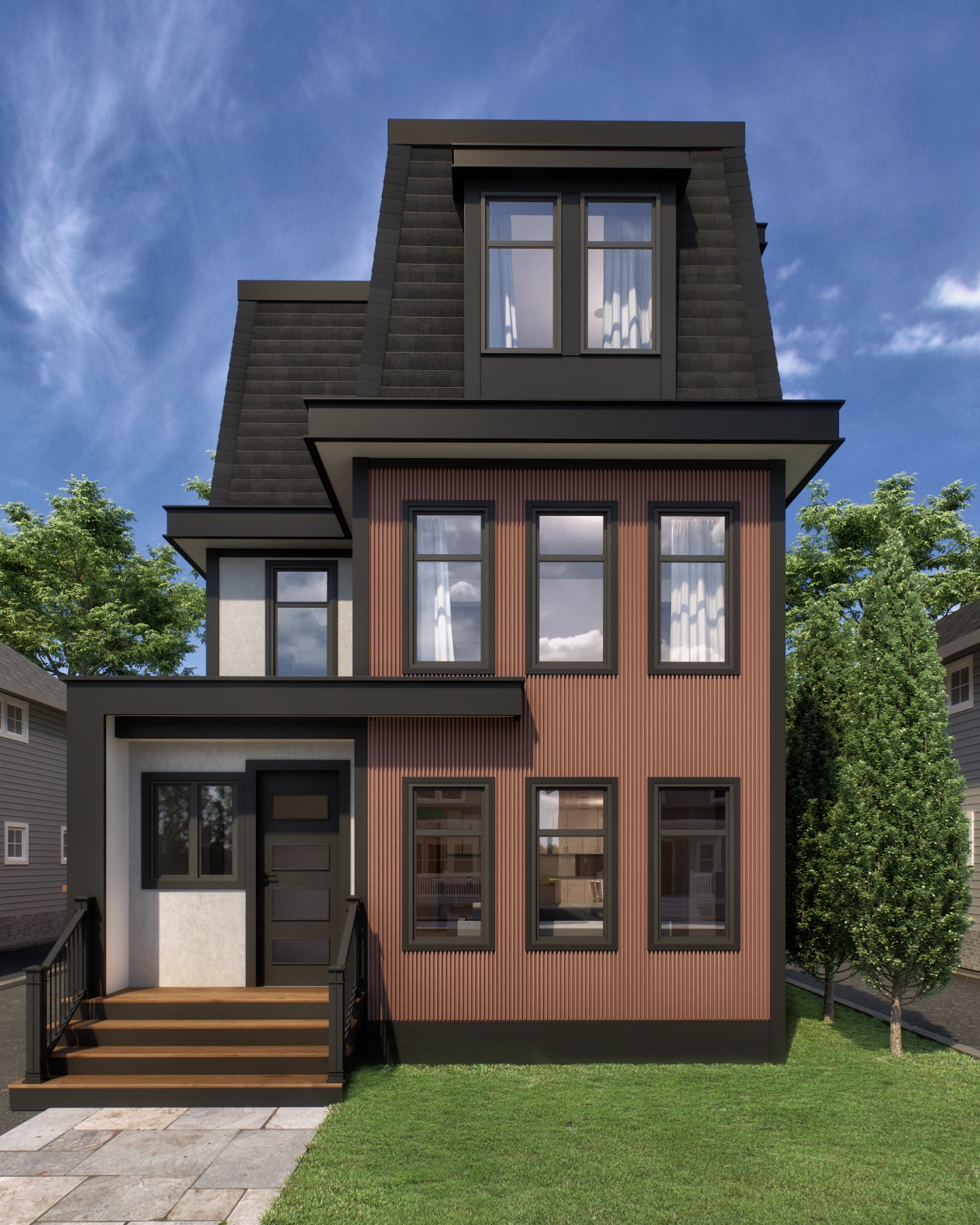
This project taught us that architecture in Somerville isn't just about design — it's about deeply understanding the rules, the history, and the community. It's what shaped Flow into the practice we are today: one that navigates complexity to deliver thoughtful, contextually rooted work.