ADUs: Best Idea Ever — But Only If We Actually Let Them Work
Accessory Dwelling Units are arguably the most practical, humane, and scalable housing idea in America. Yet even where they're allowed by right, arbitrary size caps and disproportionate code burdens continue to sabotage their potential. A reflection on why ADUs are permitted but not empowered — and what needs to change.

Accessory Dwelling Units (ADUs) are arguably the most practical, humane, and scalable housing idea in America. By design, ADUs transform under-utilized yards, garages, basements, and rear lots into homes — increasing housing supply without sprawl, massive infrastructure investment, or neighborhood erasure.
At their best, ADUs:
Help families age in place
Provide rental income for homeowners
Create smaller, more attainable homes
Increase density gently and responsibly
Leverage existing utilities and streets
Across the U.S., ADUs are now permitted by right in many single-family zones, signaling broad agreement that they are part of the solution to the housing crisis.
And yet — despite being “allowed” — ADUs are often not empowered.
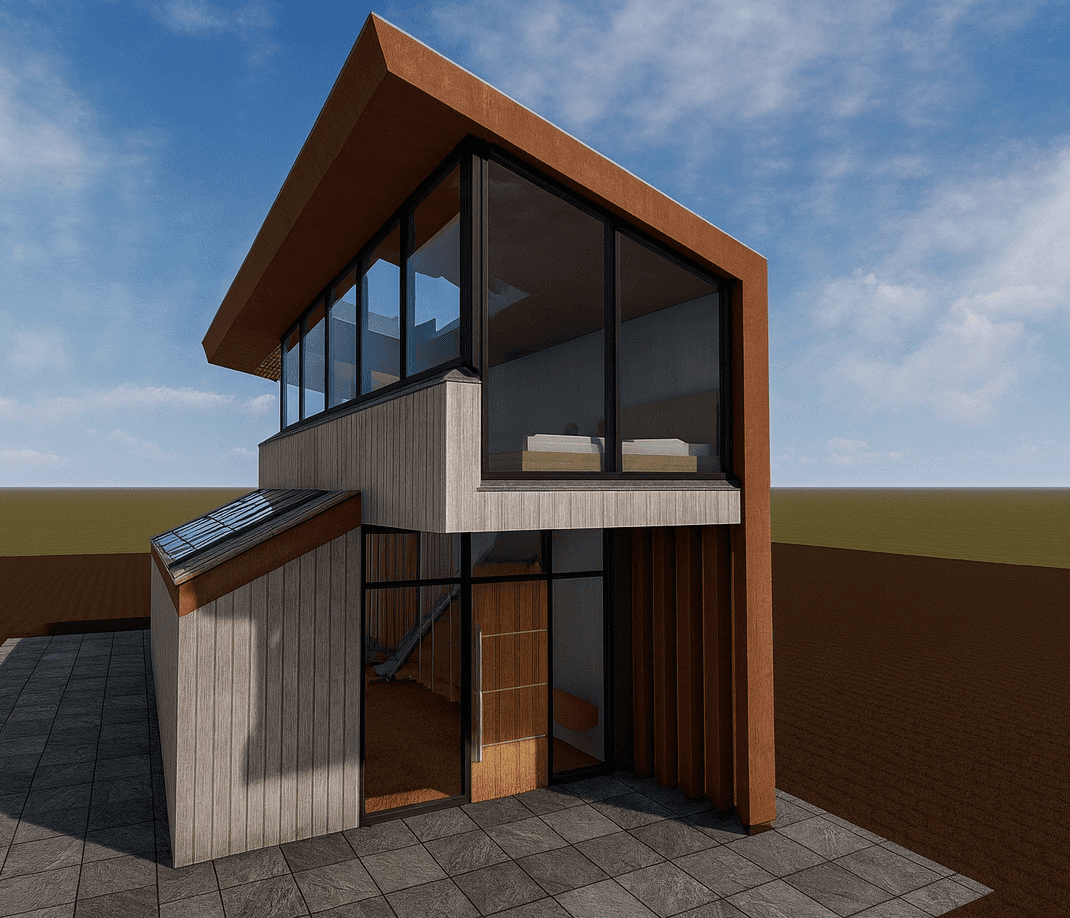
Sustainable ADU (Flow’s Logo Building) By Flow Design Architects
When “Allowed” Still Means Constrained
Most municipalities impose arbitrary size caps, often 900 square feet, regardless of lot size, context, or household needs. These limits are rarely based on livability, affordability, or safety. Instead, they preserve the idea that ADUs must remain subordinate — not real homes.
A 900-square-foot limit may work for some, but for many families it means:
No room to grow
No flexibility for multi-generational living
No dignity in design
If the goal is to meaningfully increase housing supply, why cap ADUs at a size that barely functions as a home?
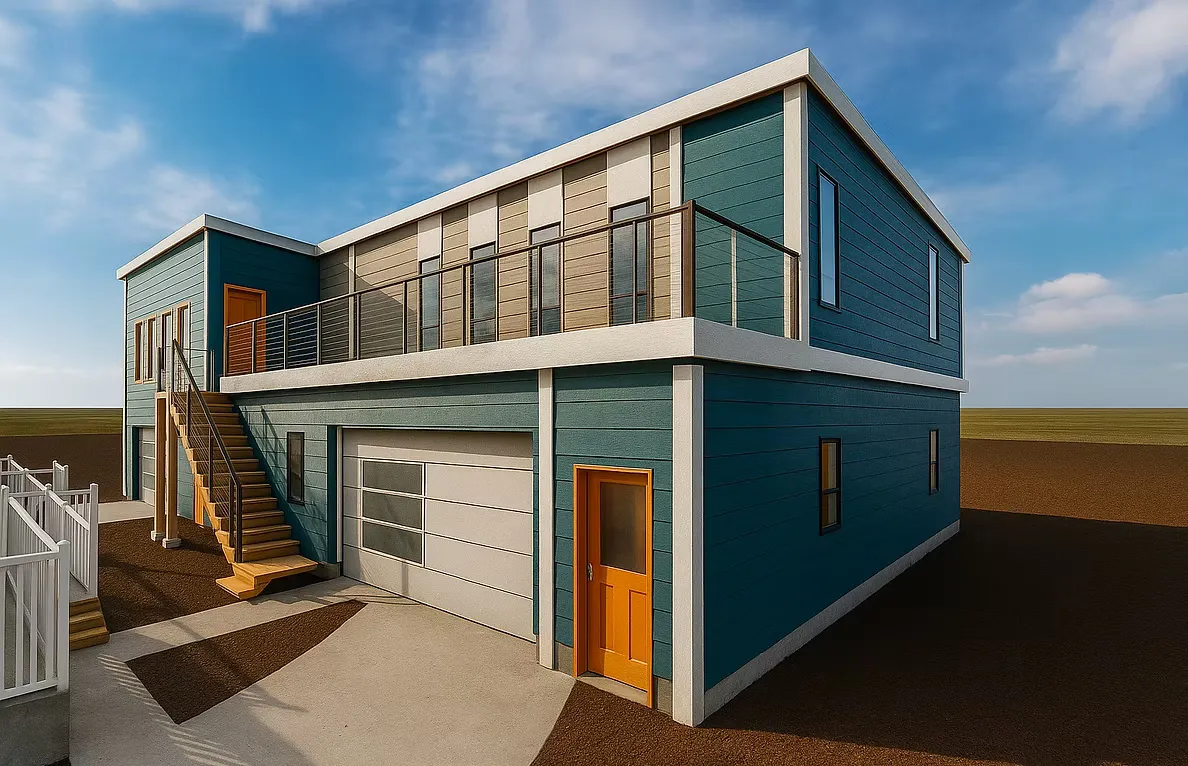
ADU Above Existing Garage By Flow Design Architects — Everett, MA
Disproportionate Code Burdens That Undermine the Mission
Even more troubling than size limits are the code and regulatory burdens placed on ADUs — often heavier than those imposed on larger single-family additions.
Two Means of Egress
ADUs are frequently required to provide two means of egress, even when occupancy loads are extremely low. This requirement is typically reserved for larger or commercial buildings, yet it is imposed on small, single-unit dwellings with no data-driven justification.
Sprinklers After Two Units
Some jurisdictions mandate fire sprinklers once a lot contains more than two units, regardless of size. A modest backyard cottage may trigger requirements not imposed on a far larger home addition next door.
Full HERS Energy Ratings
Detached ADUs often require full HERS ratings even when a 900-square-foot addition to an existing home does not — because the arbitrary threshold is 1,000 square feet. The result is higher costs for less housing.
These requirements inflate costs, delay projects, and discourage homeowners — directly contradicting the stated goal of expanding housing access.
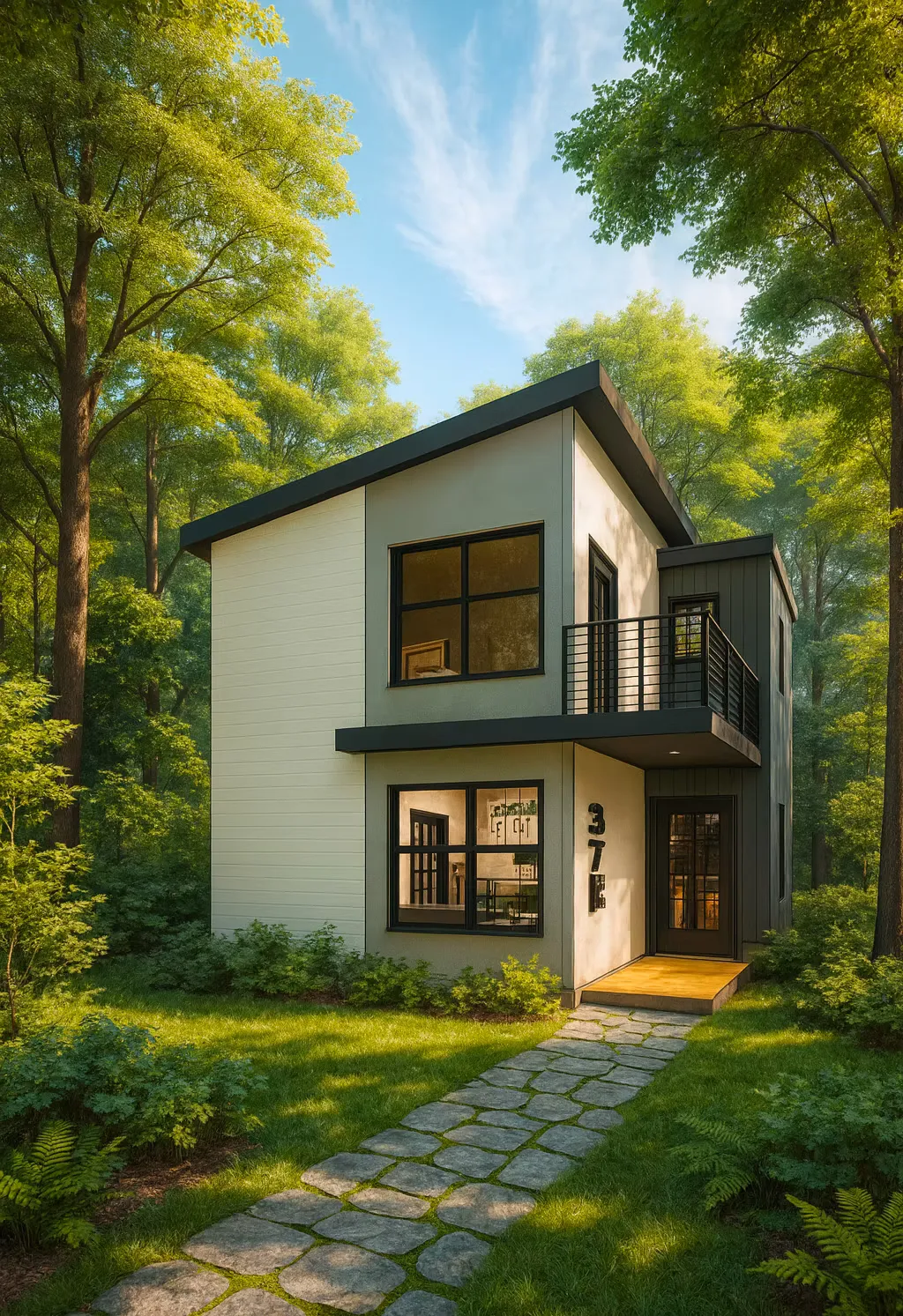
Conversion of “Non-Buildable” Lot (Over 20,000 SF Lot) into Detached ADU By Flow Design Architects — Leominster, MA
Allowed, But Looked Down Upon
This creates a deeper and more troubling condition: ADUs are technically legal, but culturally and administratively treated as lesser housing.
They are:
Allowed, but constrained
Permitted, but penalized
Encouraged in theory, discouraged in practice
What is the point of being “allowed” if the system is designed to make participation exhausting, expensive, and demeaning?
This tension mirrors broader societal problems — where access exists on paper, but stigma and outdated beliefs shape how policies are enforced. New laws filtered through old mindsets will never solve new problems.
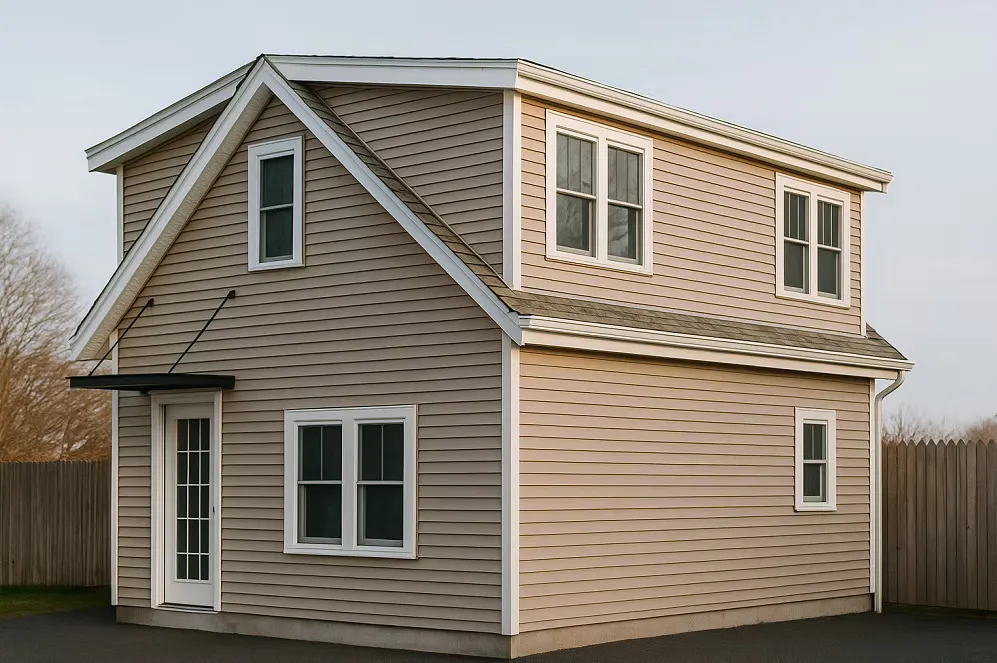
Existing Yard Shed conversion to Detached ADU By Flow Design Architects — Boston, MA
Building Departments Are Not Equipped for the Moment
Most building departments were not trained — or resourced — to evaluate ADUs as what they truly are:
Accessible housing
Affordable housing
Dignified housing
Inclusive housing
Inspectors, reviewers, and officials are often forced to interpret ADUs through frameworks designed for large single-family homes or commercial buildings. The result is inconsistency, over-regulation, and fear-based enforcement.
Architects tend to understand this shift intuitively. We see ADUs in real practice — as homes, not anomalies. But for the system to work, builders, homeowners, inspectors, and municipal officials must be trained to understand their purpose and impact.
If Not ADUs Alone, Then What?
ADUs are not the final answer to the housing crisis — they are a first step.
But if we freeze them at 900 square feet, prohibit condo ownership, and regulate them like luxury homes or commercial buildings, we sabotage their potential.
Instead of arbitrary maximum sizes, we should consider:
Minimum size standards that promote dignity
Allowing larger detached units where context allows
Enabling condominium ownership or separate sale
Aligning safety requirements with actual risk and occupancy
Let’s stop putting people in sardine boxes and calling it progress.
The Real Question
What is the point of being “allowed” — if you are still treated as lesser than?
Housing solutions must be equal, not conditional. Dignity should not be capped at 900 square feet.
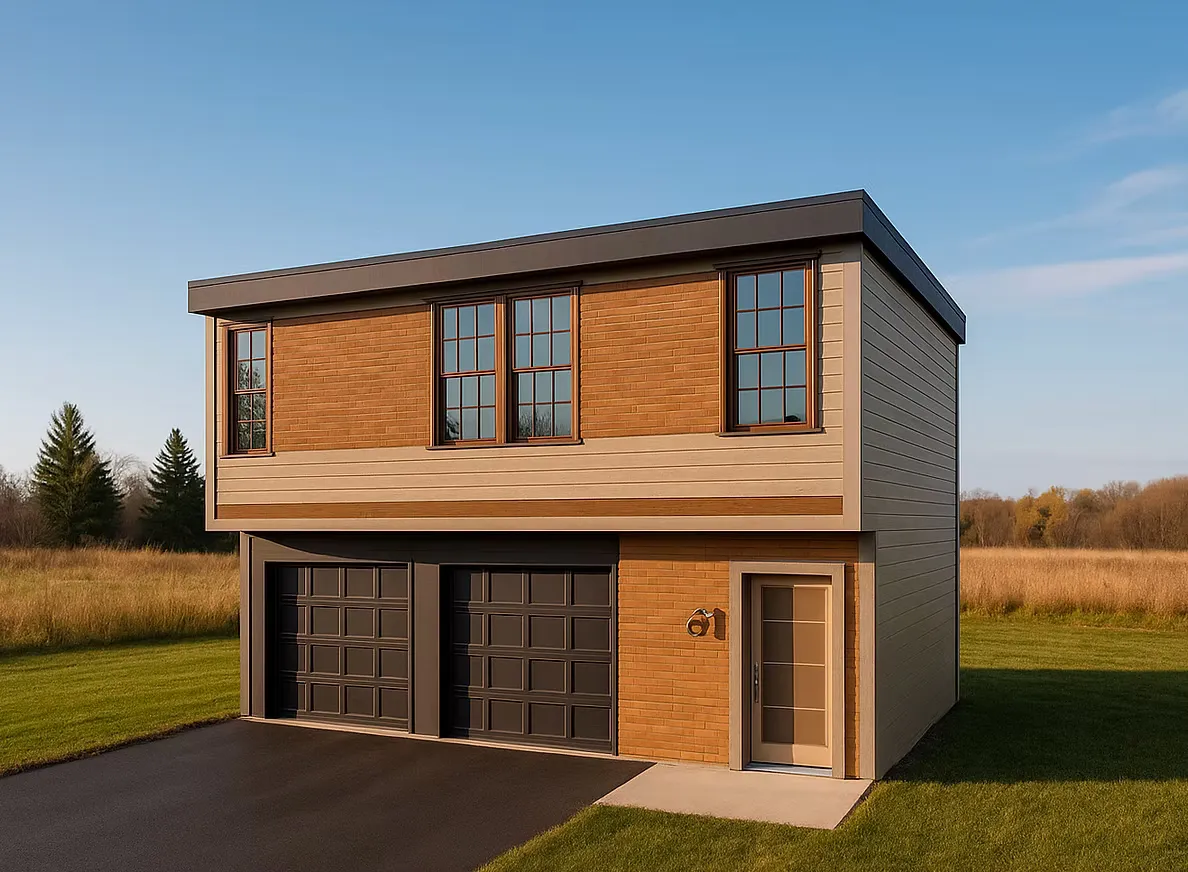
ADU Above Existing Garage By Flow Design Architects — Salem, MA
About the Author
I am Darguin Fortuna, AIA, NCARB, a licensed architect and the founding principal of Flow Design Architects, a residential-focused architecture studio based in Massachusetts with active work across New England and the Dominican Republic.
At Flow Design Architects, we specialize in:
ADUs and gentle density housing
Renovations and additions
Accessible and inclusive residential design
Code-compliant, energy-conscious homes
We work closely with homeowners, builders, and municipalities to translate policy into real, buildable, dignified housing — and we advocate for smarter regulations that actually deliver results.
If you are considering an ADU, navigating zoning challenges, or want to rethink what housing can be, we invite you to reach out.
Website: flow-design-studio.com
Email: dfortuna@flow-design-studio.com